

A multilingual website can help businesses reach visitors who prefer to read information in their native language. Website owners can use translated content to expand their audience, improve user experience, support international SEO, and make their products or services available in new markets. A website that offers several language versions can also build greater trust because visitors can access important information without relying on machine translation tools in their browsers.
Introduction: Why Translate a Website to Tajik?
Tajik is an important target language for websites that want to reach audiences in Tajikistan and Tajik-speaking communities in other countries. Tajik is an official language of Tajikistan and is closely related to other Persian varieties, including Iranian Persian and Dari. Although Tajik has fewer speakers than major global languages such as English, Spanish, Arabic, or Chinese, it serves an important role in communication, education, government, media, and online content for millions of people.
Translating a website into Tajik can make digital content more accessible to visitors who are more comfortable reading Tajik than another language. This can be particularly useful for businesses operating in Tajikistan, organizations serving Tajik-speaking communities, educational websites, online stores, travel businesses, and international companies targeting Central Asian markets.
Why Translate a Website to Tajik?
A Tajik version of a website can provide several practical benefits for businesses and organizations.
- Reach Tajik-speaking visitors in their preferred language.
- Improve the user experience for visitors from Tajikistan.
- Increase opportunities to appear in Tajik-language search results.
- Make products, services, and support information easier to understand.
- Build trust with local customers and communities.
- Support international marketing and regional expansion.
- Provide multilingual content without requiring visitors to use external translation tools.
Automatic translation can make the process faster and more affordable than translating every page manually. Tools such as the Autoglot WordPress translation plugin can automatically translate website content into Tajik and allow site owners to review and edit the generated translations when needed.
Translating a WordPress website to Tajik can expand its reach while giving Tajik-speaking visitors easier access to your website.
See also: How to build trust with multilingual websites?
Tajik Language
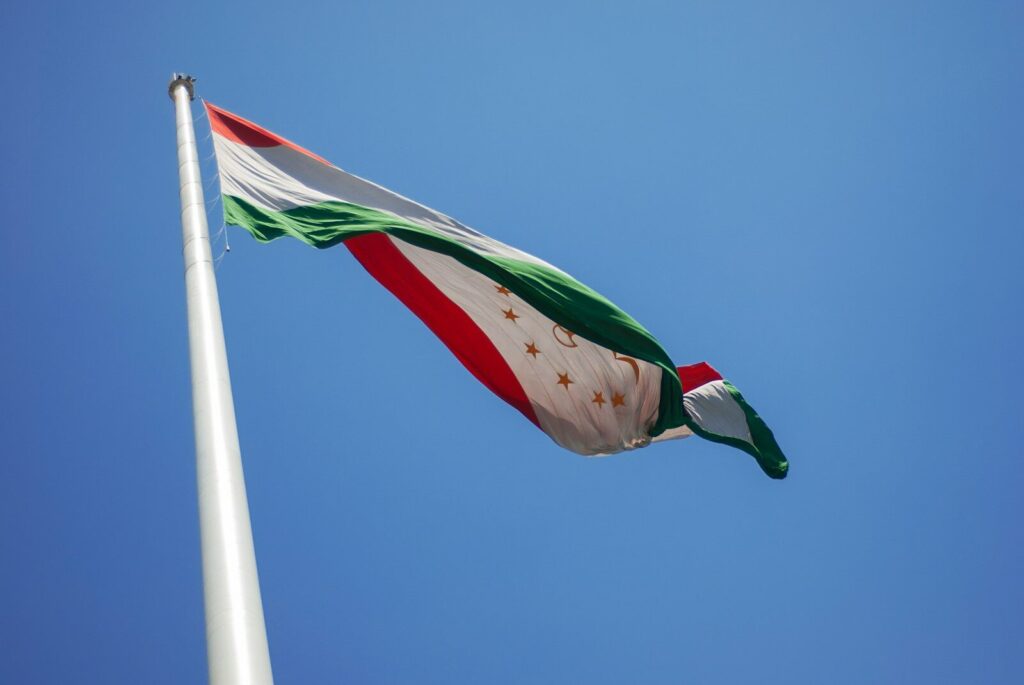
Tajik is a variety of Persian that belongs to the Indo-Iranian branch of the Indo-European language family. It is the official language of Tajikistan and is also spoken by communities in Uzbekistan, Afghanistan, Kazakhstan, Kyrgyzstan, and other countries. Tajik shares many features with Iranian Persian and Dari, so speakers of these languages can recognize a substantial amount of common vocabulary and grammatical structure.
History of the Tajik Language
Tajik developed from the Persian language varieties spoken across Central Asia over many centuries. Persian became an important language of literature, administration, culture, and education in the region during the medieval period. Tajik later developed its own pronunciation, vocabulary, and writing conventions as Central Asian Persian-speaking communities evolved.
The Tajik writing system has changed several times during the modern history of the language. Tajik was written with the Arabic-based Persian alphabet until the early Soviet period, when a Latin-based alphabet was introduced. A Cyrillic-based alphabet became standard later and remains the official writing system in Tajikistan today. This history also affects how Tajik content is represented in digital media and multilingual websites.
Tajik Structure, Vocabulary, and Grammar
- Tajik uses a relatively straightforward grammatical structure, but its vocabulary reflects influences from several languages. Persian forms the main foundation of Tajik vocabulary, while Arabic has contributed many words through centuries of cultural and religious contact. Russian has also influenced modern Tajik, particularly in areas such as technology, administration, science, and politics.
- Tajik generally uses a subject-object-verb word order, although word order can change for emphasis or stylistic reasons. The language uses grammatical markers and auxiliary constructions to express relationships between words and different verb forms. Tajik does not use grammatical gender in the same way as many Indo-European languages such as German or French.
- Tajik can be moderately accessible to learners who already know Persian, Dari, or another related language. Learners who speak unrelated languages may need more time to become familiar with Tajik pronunciation, vocabulary, Cyrillic spelling, and grammar. Reading can require additional practice because the Tajik Cyrillic alphabet differs from the Latin alphabet used by many international websites.
Tajik is a distinct modern language with a long literary history and strong cultural importance in Central Asia. Its Persian roots make it closely related to other Persian varieties, while its unique vocabulary, pronunciation, grammar, and Cyrillic writing system give it a clear identity.
See also: Tajik Language
Tajik-speaking People
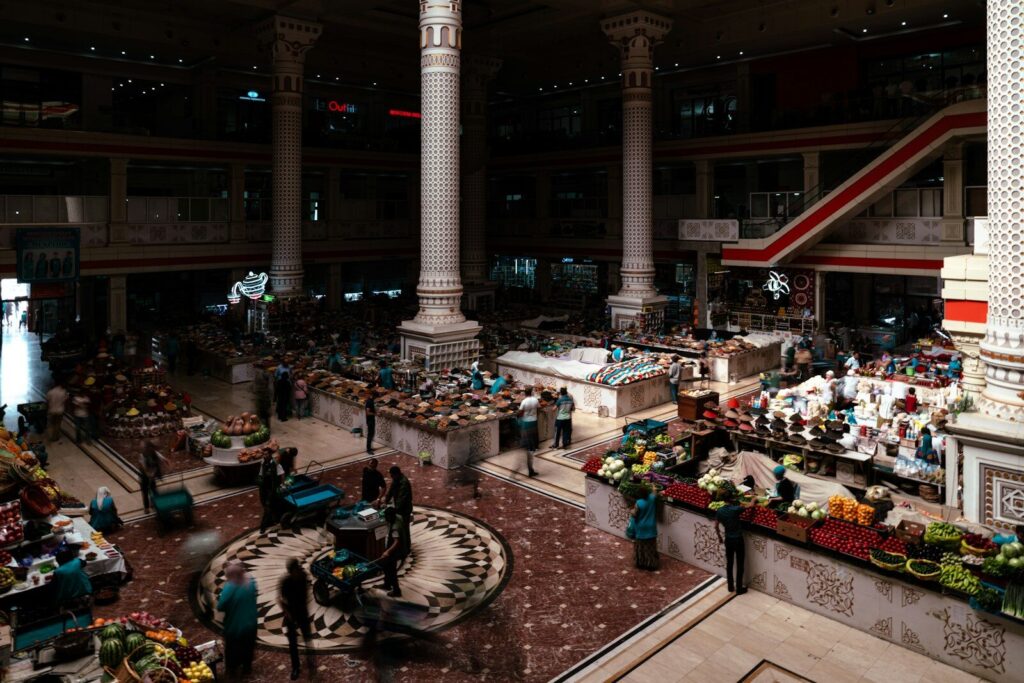
Tajik is spoken by several million people, with the largest concentration of speakers living in Tajikistan. Tajikistan has a population of more than 10 million people, and Tajik is the main language used in everyday communication, education, government, media, and public life. The language is also spoken by Tajik communities living outside the country.
Countries Where Tajik Is Spoken
Tajik-speaking communities can be found across Central Asia and in other countries with Tajik populations. The largest groups are located in:
- Tajikistan: Tajik is the official state language and the primary language of the majority population.
- Uzbekistan: Significant Tajik-speaking communities live in areas such as Samarkand and Bukhara, as well as other parts of the country.
- Afghanistan: Tajik-speaking communities are widespread, although Dari is the official Persian variety used in Afghanistan.
- Kyrgyzstan: Tajik is spoken by communities, particularly in areas close to Tajikistan and Uzbekistan.
- Kazakhstan: Tajik is used by a smaller Tajik community.
- Russia: Tajik is spoken by migrants and members of the Tajik diaspora.
- Other countries: Tajik-speaking communities can also be found in countries where people from Central Asia have migrated for work, education, or family reasons.
Official Status of Tajik
Tajik has official language status in Tajikistan, where it plays a central role in national communication and public institutions. Russian also has an important role as a language of interethnic communication in the country, but Tajik is the primary state language.
Tajik is not an official language in Uzbekistan, Afghanistan, Kyrgyzstan, Kazakhstan, or Russia, even though substantial communities use Tajik or closely related Persian varieties. Language use can vary significantly between regions, families, educational institutions, and social groups.
Why Tajik-speaking Audiences Matter
The geographic distribution of Tajik speakers creates opportunities for websites that provide information, products, and services to Central Asian audiences. Businesses can use Tajik content to communicate more directly with customers in Tajikistan and with Tajik-speaking communities abroad.
A multilingual website can also serve visitors who understand Russian or another language but prefer to read important information in Tajik. Providing product descriptions, service information, instructions, and customer support in Tajik can reduce language barriers and improve communication.
Tajik-speaking people form a significant language community with strong regional and cultural connections. A Tajik version of a website can therefore help organizations reach both domestic audiences in Tajikistan and Tajik-speaking visitors in other countries.
See also: 5 Reasons a Multi-Language Website is Beneficial for your Business
Tajik on the Internet
Tajik has a growing presence on the Internet as more people in Tajikistan and Tajik-speaking communities use websites, social networks, online services, and digital media. Internet access has expanded the need for content in local languages, including information about education, government services, news, business, tourism, health, and online shopping.

How Widespread Is Tajik Online?
Tajik is less widely represented online than major international languages such as English, Spanish, Chinese, Arabic, and Russian. Many Tajik-speaking Internet users can also understand Russian or another language, so websites serving Tajikistan often provide multilingual content rather than relying exclusively on Tajik.
The smaller amount of Tajik-language content creates an opportunity for website owners that can provide useful information in Tajik. Businesses, publishers, educational organizations, and service providers can reach an audience that may have fewer local-language resources available online. A properly translated website can create additional indexable pages and allow search engines to connect Tajik-language queries with relevant content.
Why Create a Tajik Website Version?
- A Tajik version can make a website more accessible to visitors who prefer to read online information in Tajik. This can be especially valuable for websites that provide detailed instructions, product information, legal information, educational materials, or other content where clear understanding matters.
- Website localization can also improve trust among Tajik-speaking visitors because language signals that a business understands the needs of its target audience. Visitors are more likely to explore a website when navigation, descriptions, forms, and other important elements are available in a familiar language.
- Tajik translation can support businesses that want to reach customers in Tajikistan without creating an entirely separate website. A multilingual WordPress installation can keep the original version while adding Tajik pages with dedicated language URLs.
Automatic translation makes it easier for smaller teams to add Tajik without translating every page manually. Website owners can automatically generate Tajik versions and then review important pages to correct terminology, style, or context where necessary.
A stronger Tajik-language presence on the Internet benefits both website owners and users by improving access to information and creating new opportunities for digital communication. For WordPress websites, adding Tajik can be a practical step toward reaching a wider Central Asian audience.
See also: How To Launch a Successful Multilingual Business Online?
How to Translate a WordPress Site to Tajik
WordPress site owners can use several methods to create a Tajik version of their website, depending on the size of the site, available resources, and desired level of control. Manual translation provides detailed control over every sentence, while professional translation services can deliver high-quality results for important commercial or legal content. Automatic translation offers a faster option for websites with many pages and frequently changing content.

Manual WordPress Translation
Manual translation requires the website owner or a translator to translate pages, posts, menus, metadata, and other website elements individually. This method can provide accurate results when an experienced Tajik translator handles the content. However, manual translation can require substantial time and resources, especially for large websites with hundreds or thousands of pages.
WordPress multilingual plugins can help manage manually translated content by creating separate language versions of pages and other website elements. Site owners can then review and update each translation through the WordPress administration area.
Professional Translation Services
Professional translation services can provide human-reviewed Tajik translations for businesses that need precise terminology and a consistent writing style. This approach can work well for legal documents, technical materials, product information, and other content where accuracy is especially important.
The main disadvantage is that professional translation can become expensive when a website contains a large amount of content. Website owners must also arrange additional translations when they publish new pages or update existing content.
Automatic WordPress Translation
Automatic translation can translate large amounts of WordPress content quickly without requiring a translator to work on every page manually. Modern machine translation systems can process website text and generate Tajik versions while reducing the time and cost associated with traditional translation.
Autoglot WordPress translation plugin is a practical option for automatically translating WordPress websites into Tajik. It can translate website content on demand, create separate language versions, and support multilingual SEO features that help search engines understand the translated pages.
Autoglot also includes a machine translation post-editing workflow that allows website owners to review automatically generated translations and make corrections when necessary. This approach combines the speed of automatic translation with human review for important pages.
For most large WordPress websites, automatic translation provides a convenient starting point for creating a Tajik version while keeping translation costs and maintenance work manageable.
See also: How To Automatically Translate WordPress Website?
Step-by-Step Guide to Translating a WordPress Site to Tajik
Autoglot WordPress translation plugin allows site owners to create a Tajik version of their website without manually translating every page. The plugin connects a WordPress website with the Autoglot Control Panel and automatically translates content when visitors access translated pages.
Step 1. Install and Activate Autoglot
- The first step is to install the Autoglot WordPress translation plugin from the WordPress administration area.
- Search for Autoglot in the WordPress plugin directory, install the plugin, and activate it.
- After activation, Autoglot adds translation settings to the WordPress dashboard.
- These settings allow site owners to connect their website, select languages, configure the language switcher, and control how translations are generated.
You may also download Autoglot directly from the official WordPress plugins repository.
Official Autoglot WordPress Repository
Step 2. Register in the Autoglot Control Panel
- The next step is to create an account in the Autoglot Control Panel and connect the WordPress website using a free API key.
- The API key links the plugin with the Control Panel and allows the website to request automatic translations.
- The Control Panel also allows customers to order translation packages and monitor their translation usage.
- New users can start with the available free translation allowance before purchasing additional translation words when they need more capacity.
Autoglot Control Panel lets you control your translation expenses, track usage and order new translation packages.
Autoglot Control Panel
Step 3. Configure Translation Settings
- Before translating the website, configure the main Autoglot settings according to the site’s requirements.
- You can select the position and appearance of the language switcher and configure SEO settings for translated pages.
- Autoglot also provides exclusion filters that allow site owners to prevent selected URLs, page types, or other content from being translated.
- Search settings, sitemap integration, and other options can help ensure that the translation process works correctly with the existing WordPress configuration.
A well-configured language switcher makes it easy for visitors to select Tajik, while SEO settings help your Tajik pages rank in local search results.
How to add a language switcher to WordPress?
Step 4. Select Tajik as a Target Language
- Choose Tajik from the list of available target languages in the Autoglot settings.
- You can add Tajik as the only additional language or combine it with several other languages if the website serves an international audience.
- The original website content remains available in its primary language while Autoglot creates the corresponding Tajik versions.
- This structure allows visitors to switch between languages without replacing the original content.
Step 5. Translate the Website Automatically
- Autoglot can automatically translate website content when a visitor first accesses a page in the selected language.
- The system sends the required content for machine translation and creates the Tajik version without requiring the site owner to manually translate each page.
- This on-demand approach allows large websites to build their translated content progressively instead of translating every page before publishing the language version.
- Frequently visited pages can therefore be translated as visitors request them.
Step 6. Review and Edit Translations
- After automatic translation, review important Tajik pages to check terminology, meaning, formatting, and overall readability.
- Site owners can use the Autoglot Translation Editor to inspect machine-generated translations and make changes when necessary.
- The machine translation post-editing workflow allows users to correct specific translations without manually recreating the entire page.
- This can be useful for product names, technical terms, brand language, and other content that requires additional attention.
The Autoglot plugin allows you to manually edit the translations directly within the WordPress editor.
How To Edit Translation in WordPress?
Following these steps allows WordPress site owners to add Tajik efficiently while retaining control over SEO, translation settings, and the quality of important content.
Conclusion
Translating a WordPress website to Tajik can help businesses and organizations reach a wider audience and provide information in a language that many visitors prefer. Tajik is an important language in Central Asia, particularly in Tajikistan, and Tajik-speaking communities also live in several other countries. Adding a Tajik version can improve accessibility, support local communication, and create additional opportunities for international marketing.
Challenges of Tajik Website Translation
Tajik translation can present several challenges because the language has its own vocabulary, grammar, writing system, and regional usage patterns. Automatic translation may also require additional review when content includes technical terminology, brand names, industry-specific expressions, or culturally specific references.
Website owners should review important translated pages and correct any errors that affect meaning or user experience. Product pages, checkout information, contact forms, navigation elements, and other important content deserve particular attention.
Benefits of Automatic Translation
Automatic translation can reduce the time and resources required to create and maintain a Tajik WordPress website. It can translate content on demand, support multilingual SEO, and allow website owners to add Tajik without creating a separate website from scratch.
Autoglot WordPress translation plugin provides an accessible way to automatically translate WordPress websites to Tajik. The plugin connects with the Autoglot Control Panel, generates translations when visitors request translated pages, supports multilingual SEO settings, and provides a Translation Editor for reviewing and editing machine-generated translations.
Autoglot can be a useful choice for WordPress site owners who want to reach Tajik-speaking visitors without managing a fully manual translation workflow. The combination of automatic translation and optional human post-editing allows website owners to expand their language coverage while maintaining control over important content.
Adding Tajik to a WordPress website can be a practical step toward reaching new audiences and improving access to online information. With Autoglot, website owners can start translating their WordPress content to Tajik automatically and create a multilingual website with less manual work.