

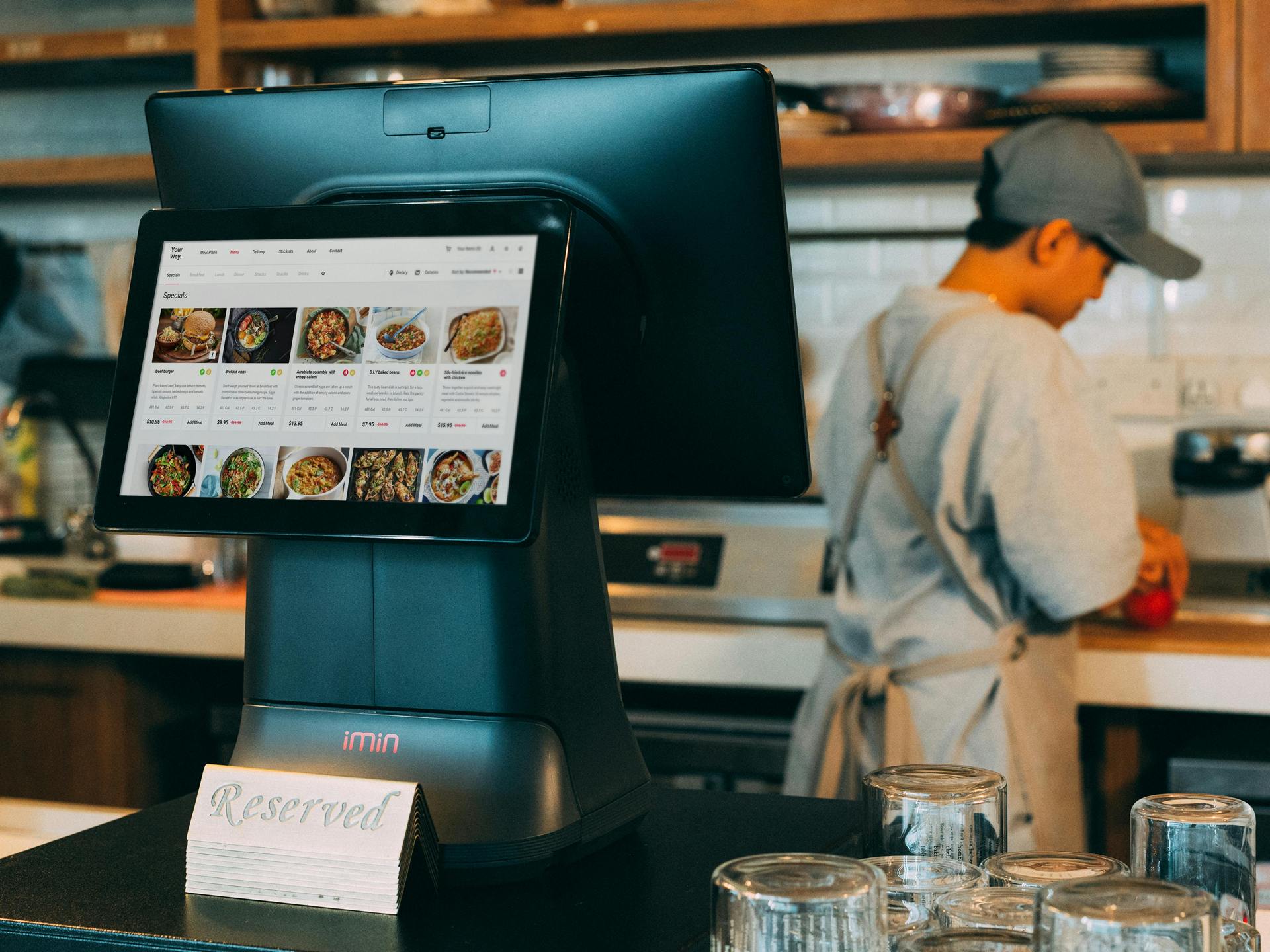
بہت سے ریستوراں اب متنوع کمیونٹیز اور بین الاقوامی زائرین کی خدمت کرتے ہیں۔ شہروں اور سیاحتی علاقوں میں، گاہک اکثر مختلف زبانیں بولتے ہیں اور اپنی زبان میں مواد کی توقع کرتے ہیں۔ جب ایک ویب سائٹ متعدد زبانوں میں دستیاب ہوتی ہے، تو صارفین کے لیے کھانے کے اختیارات، غذائی نوٹ، اور آرڈر کرنے کی ہدایات کو سمجھنا آسان ہو جاتا ہے۔ یہ براہ راست صارف کے تجربے کو بہتر بناتا ہے اور تبادلوں کے امکانات کو بڑھاتا ہے۔
ریستوراں کو مواصلات کو بہتر بنانے، زبان کی رکاوٹوں کو کم کرنے، بار بار اپ ڈیٹس کی حمایت کرنے، اور موثر ڈیجیٹل آپریشنز کو برقرار رکھتے ہوئے مرئیت کو بڑھانے کے لیے کثیر لسانی ویب سائٹس کی ضرورت ہوتی ہے۔
ریستوراں کو ویب سائٹ کی ضرورت کیوں ہے۔
ایک کاروباری بنیاد کے طور پر ڈیجیٹل موجودگی
ریستوراں کی ویب سائٹ ایک مرکزی ڈیجیٹل پوائنٹ کے طور پر کام کرتی ہے جہاں صارفین کاروبار کے بارے میں سیکھتے ہیں۔ یہ بنیادی معلومات جیسے مقام، کھلنے کے اوقات، مینو، اور رابطے کی تفصیلات ایک جگہ پر پیش کرتا ہے۔ گاہک اکثر کھانے کی جگہ کا انتخاب کرنے سے پہلے آن لائن تلاش کرتے ہیں، اور ایک ویب سائٹ ان ابتدائی فیصلے کے لمحات میں ریسٹورنٹ کے ظاہر ہونے میں مدد کرتی ہے۔ واضح اور منظم ویب سائٹ غیر یقینی صورتحال کو کم کرتی ہے اور وزیٹر کے آنے سے پہلے اعتماد پیدا کرتی ہے۔
ایک ویب سائٹ سادہ معلومات کے اشتراک سے ہٹ کر ضروری ریستوراں کی کارروائیوں کی بھی حمایت کرتی ہے۔ بہت سے ریستوراں میں اب آن لائن ریزرویشنز، ٹیبل بکنگ سسٹم، اور فوڈ آرڈر کرنے کے اختیارات شامل ہیں۔ یہ خصوصیات فون ٹریفک کو کم کرتی ہیں اور روزانہ کی کارروائیوں کو ہموار کرتی ہیں۔ عملہ دہرائے جانے والے سوالات کے جوابات دینے میں کم اور ذاتی طور پر مہمانوں کی خدمت میں زیادہ وقت صرف کرتا ہے۔ یہ کارکردگی اور گاہک کی اطمینان دونوں کو بہتر بناتا ہے۔
گاہک کی توقعات اور سلوک
جدید گاہک توقع کرتے ہیں کہ ریستوراں ایک ایسی آن لائن موجودگی رکھیں جس تک رسائی اور سمجھنا آسان ہو۔ جب کسی ریستوراں کی ویب سائٹ نہیں ہوتی ہے تو ممکنہ مہمان یہ فرض کر سکتے ہیں کہ یہ کم قابل اعتماد یا پرانی ہے۔ یہاں تک کہ اگر ایک ریستوراں کی مقامی ساکھ مضبوط ہے، ویب سائٹ کی کمی نئے گاہک کے حصول کو محدود کر سکتی ہے۔
موبائل کا استعمال بھی بدل گیا ہے کہ لوگ ریستوران کا انتخاب کیسے کرتے ہیں۔ سفر کرنے یا کھانے کی منصوبہ بندی کے دوران صارفین اکثر اپنے فون پر قریبی کھانے کے اختیارات تلاش کرتے ہیں۔ ایک موبائل دوستانہ ویب سائٹ ریستوران کو اس ٹریفک کو پکڑنے اور تلاشوں کو وزٹ یا آرڈرز میں تبدیل کرنے میں مدد کرتی ہے۔ واضح مینو، قیمتوں کا تعین، اور بصری اس عمل میں اہم کردار ادا کرتے ہیں۔
برانڈنگ اور ساکھ
ریستوران کی ویب سائٹ بصری ڈیزائن، کہانی سنانے، اور مینو پریزنٹیشن کے ذریعے برانڈ کی شناخت کو مضبوط کرتی ہے۔ یہ مالکان کو ایک کنٹرول شدہ ماحول میں کھانے کا انداز، ماحول اور خصوصی پیشکشیں دکھانے کی اجازت دیتا ہے۔ یہ اکیلے فریق ثالث کی فہرستوں کے مقابلے میں ایک مضبوط تاثر پیدا کرتا ہے۔
ایک اچھی طرح سے بنائی گئی ویب سائٹ ساکھ اور کسٹمر کے اعتماد کو بھی بہتر بناتی ہے۔ تصدیق شدہ معلومات، اپ ڈیٹ شدہ مینو، اور مسلسل برانڈنگ سگنل پیشہ ورانہ مہارت اور وشوسنییتا۔ یہ براہ راست صارفین کے انتخاب پر اثر انداز ہوتا ہے، خاص طور پر مسابقتی کھانے کی منڈیوں میں۔
جدید ڈیجیٹل صارفین کے لیے رسائی کو بہتر بنانے کے ساتھ ساتھ ریستورانوں کو معلومات پیش کرنے، آپریشنز کو سپورٹ کرنے، کسٹمر کی توقعات پر پورا اترنے اور برانڈ کی ساکھ کو مضبوط کرنے کے لیے ویب سائٹس کی ضرورت ہوتی ہے۔
یہ بھی دیکھیں: ریستوراں کو ویب سائٹ کی ضرورت کیوں ہے۔
کثیر لسانی ریستوراں ویب سائٹس کے فوائد
وسیع تر گاہک کی پہنچ
- ایک کثیر لسانی ریستوراں کی ویب سائٹ ان صارفین تک رسائی کو بڑھاتی ہے جو سائٹ کی مرکزی زبان نہیں بولتے ہیں۔ بہت سے ریستوراں سیاحتی علاقوں یا کثیر الثقافتی شہروں میں کام کرتے ہیں جہاں زائرین مختلف ممالک سے آتے ہیں۔ جب مواد متعدد زبانوں میں ظاہر ہوتا ہے، تو زیادہ لوگ مینوز، خدمات اور بکنگ کے اختیارات کو سمجھ سکتے ہیں۔ یہ براہ راست ممکنہ مہمانوں کی تعداد میں اضافہ کرتا ہے۔
- زبان کی رسائی پہلے نقوش کو بھی بہتر کرتی ہے۔ زائرین زیادہ آرام دہ محسوس کرتے ہیں جب وہ اپنی زبان میں معلومات پڑھ سکتے ہیں۔ اس سے ہچکچاہٹ کم ہوتی ہے اور بکنگ کرنے یا آرڈر دینے کا موقع بڑھ جاتا ہے۔ ایک سادہ اور واضح زبان کا تجربہ اکثر مقابلہ کرنے والے ریستوراں کے درمیان فیصلہ کن عنصر بن جاتا ہے۔
اعلی تبادلوں کی شرح
- کثیر لسانی مواد تبادلوں کی شرح کو بہتر بناتا ہے کیونکہ صارفین بغیر کسی الجھن کے پیشکشوں کو سمجھتے ہیں۔ غیر یقینی صورتحال سے بچنے کے لیے مینو آئٹمز، اجزاء اور قیمتوں کا تعین واضح ہونا چاہیے۔ جب گاہک پوری طرح سمجھتے ہیں کہ کیا پیش کیا جاتا ہے، تو وہ تیزی سے اور زیادہ اعتماد کے ساتھ فیصلے کرتے ہیں۔
- آن لائن آرڈرنگ اور ریزرویشن سسٹم بھی مقامی مواد کے ساتھ بہتر کارکردگی کا مظاہرہ کرتے ہیں۔ صارف کی زبان میں ہدایات، بٹن اور تصدیقی پیغامات ڈراپ آف کی شرح کو کم کرتے ہیں۔ یہ براؤزنگ سے ایکشن تک ایک ہموار راستہ بناتا ہے، جو براہ راست آمدنی کے مواقع کو بڑھاتا ہے۔
مضبوط SEO کارکردگی
- تلاش کے انجن کثیر لسانی صفحات کو الگ الگ انڈیکس کرتے ہیں، جو مختلف زبانوں کی تلاش میں مرئیت کو بڑھاتا ہے۔ ایک ریستوراں علیحدہ ویب سائٹس بنائے بغیر متعدد علاقوں اور زبانوں کے تلاش کے نتائج میں ظاہر ہو سکتا ہے۔ یہ سیاحوں، غیر ملکیوں، اور بین الاقوامی باشندوں سے نامیاتی ٹریفک کو راغب کرنے میں مدد کرتا ہے۔
- مقامی مواد بھی مختلف بازاروں میں مطلوبہ الفاظ کی مطابقت کو بہتر بناتا ہے۔ اپنی مادری زبان میں تلاش کرنے والے صارفین کے ریسٹورنٹ کو تلاش کرنے کا زیادہ امکان اس وقت ہوتا ہے جب صفحات کا صحیح ترجمہ اور ساخت ہوتا ہے۔ یہ اضافی اشتہاری لاگت کے بغیر طویل مدتی ٹریفک میں اضافہ کرتا ہے۔
بہتر کسٹمر کا تجربہ اور اعتماد
- کثیر لسانی ویب سائٹس کھانے کی تفصیل اور غذائی ترجیحات سے متعلق غلط فہمیوں کو کم کرتی ہیں۔ واضح ترجمہ گاہکوں کو محفوظ اور باخبر انتخاب کرنے میں مدد کرتا ہے، خاص طور پر جب الرجی یا مخصوص اجزاء سے نمٹ رہے ہوں۔
- جب صارفین مسلسل اور پیشہ ورانہ زبان کی پیشکش دیکھتے ہیں تو اعتماد بڑھتا ہے۔ ایک ریستوراں جو متعدد زبانوں میں واضح طور پر بات کرتا ہے وہ زیادہ قابل اعتماد اور کسٹمر فوکس ہوتا ہے۔
کثیر لسانی ریستوراں ویب سائٹس صارفین کی رسائی میں اضافہ کرتی ہیں، تبادلوں کو بہتر کرتی ہیں، SEO کی کارکردگی کو مضبوط کرتی ہیں، اور متنوع سامعین کے لیے مواد کو واضح اور قابل رسائی بنا کر اعتماد پیدا کرتی ہیں۔
مزید پڑھیں: 5 وجوہات ایک کثیر زبان کی ویب سائٹ فائدہ مند ہے۔
ریستوراں کی ویب سائٹس کا ترجمہ کرنے کے چیلنجز
مواد کی بار بار تبدیلیاں
- ریستوران کی ویب سائٹس اکثر مینو اپ ڈیٹس، موسمی پیشکشوں اور قیمتوں میں ایڈجسٹمنٹ کی وجہ سے تبدیل ہوتی رہتی ہیں۔ یہ اپ ڈیٹس متواتر ترجمے کا کام تخلیق کرتے ہیں جو کہ اصل مواد کے ساتھ ہم آہنگ رہنا چاہیے۔ یہاں تک کہ چھوٹی تبدیلیاں، جیسے کہ نئی ڈشز یا اپ ڈیٹ کردہ تفصیل، تمام زبانوں میں تضادات سے بچنے کے لیے فوری ترجمہ کی ضرورت ہوتی ہے۔
- یہ جاری اپ ڈیٹ سائیکل ریستوراں کے مالکان اور عملے کے لیے کام کا بوجھ بڑھاتا ہے۔ آٹومیشن کے بغیر، ہر تبدیلی کو دستی طور پر ترجمہ کیا جانا چاہیے یا مترجم کو بھیجنا چاہیے۔ اس سے اشاعت کی رفتار کم ہو جاتی ہے اور کچھ زبانوں میں صارفین کو پرانی معلومات دکھائی جا سکتی ہیں۔
کھانے سے متعلق ترجمہ کی درستگی
- کھانے کی اصطلاحات ریستوران کی ویب سائٹ کے ترجمے میں سب سے بڑے چیلنجز میں سے ایک پیدا کرتی ہیں۔ ڈش کے نام، اجزاء، اور تیاری کے طریقے اکثر زبانوں کے درمیان براہ راست ترجمہ نہیں کرتے ہیں۔ لفظی ترجمہ گاہکوں کو الجھن میں ڈال سکتا ہے یا ڈش کی غلط تشریح کر سکتا ہے۔
- ثقافتی فرق اس بات پر بھی اثر انداز ہوتا ہے کہ کھانے کو کس طرح بیان کیا جاتا ہے۔ کچھ اجزاء یا کھانا پکانے کے انداز ایک علاقے میں واقف ہو سکتے ہیں لیکن دوسرے علاقے میں نامعلوم ہیں۔ یہ واضح اور درست توقعات کو یقینی بنانے کے لیے محتاط موافقت کی ضرورت ہے۔ ناقص ترجمہ گاہک کے عدم اطمینان یا آرڈر کی غلطیوں کا باعث بن سکتا ہے۔
تمام صفحات میں مطابقت
- ریستوراں کی ویب سائٹس میں اکثر متعدد حصے شامل ہوتے ہیں جیسے مینوز، ریزرویشن پیجز، ڈیلیوری ہدایات اور پروموشنز۔ جب ترجمہ دستی طور پر یا متعدد ٹولز کے ساتھ کیا جاتا ہے تو ان تمام حصوں میں زبان کو یکساں رکھنا مشکل ہوتا ہے۔
- متضاد ترجمہ اعتماد کو کم کرتا ہے اور صارف کا ایک ٹوٹا ہوا تجربہ تخلیق کرتا ہے۔ صارفین کو ایک ہی ڈش یا سروس کے لیے مختلف الفاظ نظر آ سکتے ہیں، جو کنفیوژن پیدا کر سکتے ہیں اور برانڈ پر اعتماد کم کر سکتے ہیں۔
لاگت اور وقت کا دباؤ
- دستی ترجمہ یا پیشہ ورانہ خدمات آپریشنل اخراجات میں اضافہ کرتی ہیں، خاص طور پر بار بار اپ ڈیٹس والے ریستوراں کے لیے۔ ہر تبدیلی کے لیے ترجمہ کے نئے کام کی ضرورت ہوتی ہے، جس سے جاری اخراجات میں اضافہ ہوتا ہے۔
- وقت کی تاخیر مارکیٹنگ اور پروموشنز کو بھی متاثر کرتی ہے۔ اگر موسمی پیشکش شروع کی جاتی ہے لیکن اس کا فوری ترجمہ نہیں کیا جاتا ہے، تو ہو سکتا ہے کہ کچھ صارفین اسے سمجھ نہ پائیں یا اسے مکمل طور پر کھو دیں۔ اس سے مہمات کی تاثیر کم ہو جاتی ہے۔
بار بار اپ ڈیٹس، کھانے کی مخصوص زبان کی درستگی، مستقل مزاجی کے تقاضوں، اور جاری لاگت اور وقت کے تقاضوں کی وجہ سے ریستوران کی ویب سائٹس کا ترجمہ کرنا مشکل ہوتا ہے جو دستی کام کے بہاؤ کو پیچیدہ بنا دیتے ہیں۔
یہ بھی دیکھیں: ورڈپریس سائٹس پر کثیر لسانی مواد کا نظم کیسے کریں؟
ورڈپریس ریستوراں کی ویب سائٹس کا ترجمہ کرنے کے اختیارات
دستی ترجمہ کا طریقہ
دستی ترجمہ میں ویب سائٹ کے مواد کو کاپی کرنا اور ہاتھ سے یا اندرونی عملے کے ساتھ ترجمہ کرنا شامل ہے۔ یہ طریقہ الفاظ اور لہجے پر مکمل کنٹرول فراہم کرتا ہے، جو مختصر یا سادہ ویب سائٹس کے لیے مفید ہو سکتا ہے۔ ریسٹورنٹ کے مالکان اس بات کو یقینی بنا سکتے ہیں کہ مینو کی تفصیل ان کے انداز اور برانڈنگ سے مماثل ہو۔
تاہم، جب بھی مواد تبدیل ہوتا ہے دستی ترجمہ کے لیے مسلسل کوشش کی ضرورت ہوتی ہے۔ ریستوراں مینوز، قیمتوں اور پیشکشوں کو باقاعدگی سے اپ ڈیٹ کرتے ہیں، جس کا مطلب ہے کہ ہر اپ ڈیٹ کا دوبارہ ترجمہ کیا جانا چاہیے۔ اس سے تاخیر پیدا ہوتی ہے اور کام کا بوجھ بڑھ جاتا ہے۔ جب اپ ڈیٹس کثرت سے ہوتے ہیں تو تمام صفحات میں مستقل مزاجی کو برقرار رکھنا بھی مشکل ہو جاتا ہے۔
پیشہ ور مترجم اور ایجنسیاں
پیشہ ور مترجمین یا ایجنسیوں کی خدمات حاصل کرنا اعلیٰ لسانی معیار اور خوراک سے متعلق مواد کی بہتر موافقت فراہم کرتا ہے۔ یہ آپشن ان ریستورانوں کے لیے اچھی طرح کام کرتا ہے جنہیں درست وضاحت اور ثقافتی طور پر موافق مینو کی ضرورت ہوتی ہے۔ یہ وضاحت کو بہتر بنا سکتا ہے اور ترجمے کی غلطیوں کو کم کر سکتا ہے۔
ایک ہی وقت میں، یہ نقطہ نظر لاگت کو بڑھاتا ہے اور اشاعت کے چکر کو کم کرتا ہے۔ ہر اپ ڈیٹ کو ایک نئی درخواست، جائزہ اور ترسیل کے عمل سے گزرنا چاہیے۔ بار بار تبدیلیوں والے ریستورانوں کے لیے، یہ مہنگا اور عملی طور پر بھاری ہو جاتا ہے۔
روایتی ترجمہ پلگ ان
کچھ ورڈپریس ترجمہ پلگ ان ترجمہ شدہ مواد پر دستی کنٹرول کے ساتھ نیم خودکار ورک فلو پیش کرتے ہیں۔ یہ ٹولز کثیر لسانی ڈھانچے کو منظم کرنے میں مدد کرتے ہیں اور صارفین کو ڈیش بورڈ کے اندر ترجمے میں ترمیم کرنے کی اجازت دیتے ہیں۔ وہ ان ٹیموں کے لیے کارآمد ثابت ہو سکتے ہیں جو ہر جملے پر مکمل کنٹرول چاہتی ہیں۔
تاہم، ان میں سے بہت سے پلگ انز کو اب بھی دستی مداخلت یا اپ ڈیٹس کے بعد بار بار چیک کی ضرورت ہوتی ہے۔ یہ تیزی سے تبدیل ہونے والی ریستوراں کی ویب سائٹس کے لیے اسکیل ایبلٹی کو محدود کرتا ہے۔ کچھ حل کثیر لسانی مواد کو برقرار رکھنے کے لیے سبسکرپشن فیس یا اضافی اخراجات بھی لیتے ہیں۔
مشینی ترجمہ کے اوزار
مشینی ترجمہ کے ٹولز ویب سائٹ کے مواد کو متعدد زبانوں میں تیزی سے تبدیل کرتے ہیں۔ وہ ابتدائی ترجمے کے لیے درکار وقت کو کم کرنے میں مدد کرتے ہیں اور بڑی مقدار میں مواد کو تیزی سے سنبھال سکتے ہیں۔
پھر بھی، خام مشینی ترجمہ کو اکثر درستگی کو یقینی بنانے کے لیے جائزہ لینے کی ضرورت ہوتی ہے، خاص طور پر مینوز اور کھانے کی تفصیل کے لیے۔ پوسٹ ایڈیٹنگ کے بغیر، غلطیاں یا غیر واضح جملے گاہک کی سمجھ اور تجربے کو متاثر کر سکتے ہیں۔
ورڈپریس ریستوراں کی ویب سائٹس کا دستی طور پر ترجمہ کیا جا سکتا ہے، ایجنسیوں کے ذریعے، روایتی پلگ ان کے ساتھ، یا مشین ٹرانسلیشن ٹولز کا استعمال کرتے ہوئے، لیکن ہر آپشن میں لاگت، رفتار، اور دیکھ بھال کی کوششوں میں تجارت ہوتی ہے۔
مزید پڑھیں: ورڈپریس ویب سائٹ کا ترجمہ کیسے کریں؟
آٹوگلوٹ ریستوراں کی ویب سائٹوں کے لئے کیوں مثالی ہے۔
تیز ویب سائٹ کے انتظام کے لیے مکمل آٹومیشن
- آٹوگلوٹ دستی کام کے بغیر ورڈپریس ریستوراں کی ویب سائٹس کا ترجمہ کرنے کے لیے مکمل آٹومیشن فراہم کرتا ہے۔ یہ ویب سائٹ کے مواد کی تبدیلیوں کا پتہ لگاتا ہے اور پس منظر میں خود بخود ان کا ترجمہ کرتا ہے۔ اس میں مینوز، صفحات، بلاگ پوسٹس، اور قیمتوں یا موسمی پیشکشوں سے متعلق اپ ڈیٹس شامل ہیں۔ ریستوراں کے مالکان کو ترجمہ کے کاموں کو دستی طور پر متحرک کرنے کی ضرورت نہیں ہے۔
- جب اصل متن تبدیل ہوتا ہے تو سسٹم ترجمہ شدہ مواد کو بھی فوری طور پر اپ ڈیٹ کرتا ہے۔ اس کا مطلب یہ ہے کہ مینو آئٹم یا سروس کی تفصیل میں کوئی بھی ترمیم بغیر کسی تاخیر کے تمام زبانوں میں ظاہر ہوتی ہے۔ اس سے صارفین کو پرانی یا متضاد معلومات دکھائے جانے کا خطرہ کم ہو جاتا ہے۔
- آٹوگلوٹ کثیر لسانی مواد کی مسلسل نگرانی کی ضرورت کو دور کرتا ہے۔ ریسٹورنٹ کی ٹیمیں آپریشنز پر توجہ مرکوز کر سکتی ہیں جب کہ سسٹم ترجمہ اپ ڈیٹس کو خود بخود ہینڈل کرتا ہے۔
مضبوط مرئیت کے لیے SEO مطابقت
- Autoglot ترجمہ شدہ ریستوراں کے صفحات کو مکمل طور پر SEO کے موافق رکھتا ہے۔ یہ زبان کے لیے مخصوص صفحات بناتا ہے جنہیں سرچ انجن الگ سے انڈیکس کر سکتے ہیں۔ اس سے ریستوراں کو متعدد زبانوں اور خطوں میں تلاش کے نتائج میں ظاہر ہونے میں مدد ملتی ہے۔
- پلگ ان صاف URL ڈھانچے اور مناسب کثیر لسانی اشاریہ سازی کی بھی حمایت کرتا ہے۔ یہ ان کی مادری زبان میں تلاش کرنے والے صارفین کے لیے مرئیت کو بہتر بناتا ہے۔ ایک ریستوراں علیحدہ ویب سائٹس بنائے بغیر سیاحوں، غیر ملکیوں اور مقامی کثیر لسانی سامعین کو اپنی طرف متوجہ کر سکتا ہے۔
- SEO کی کارکردگی تمام اپ ڈیٹس میں مستحکم رہتی ہے۔ جب نئے مواد کا خود بخود ترجمہ کیا جاتا ہے، تو یہ SEO کی ضروریات کے مطابق رہتا ہے، جو وقت کے ساتھ درجہ بندی کو برقرار رکھنے میں مدد کرتا ہے۔
قیمت اور لاگت کے فوائد
- آٹوگلوٹ کو پلگ ان کے استعمال کے لیے سبسکرپشن فیس یا ادائیگی کی ضرورت نہیں ہے۔ یہ ماڈل ترجمہ کے بہت سے ٹولز سے مختلف ہے جو صرف ترجمہ کو فعال رکھنے کے لیے ماہانہ یا سالانہ فیس لیتے ہیں۔
- صارفین صرف حقیقی ترجمہ آؤٹ پٹ کے لیے ادائیگی کرتے ہیں۔ اگر کوئی نیا مواد ترجمہ نہیں کیا جاتا ہے تو کوئی اضافی لاگت پیدا نہیں ہوتی ہے۔ اس سے متوقع اخراجات پیدا ہوتے ہیں اور ریستوراں کے مالکان پر مالی دباؤ کم ہوتا ہے۔
- مواد کا ترجمہ ہونے کے بعد، پلگ ان خود استعمال کرنے کے لیے آزاد رہتا ہے۔ یہ خاص طور پر ابتدائی سیٹ اپ کے بعد مستحکم کثیر لسانی مواد والے ریستوراں کے لیے مفید ہے۔
اعلی ترجمے کے معیار کے لیے MTPE ایڈیٹر
- آٹوگلوٹ میں مواد کی اصلاح کے لیے بلٹ ان مشین ٹرانسلیشن پوسٹ ایڈیٹنگ (MTPE) ایڈیٹر شامل ہے۔ یہ خصوصیت ریستوران کے مالکان یا عملے کو ضرورت پڑنے پر ترجمے کو ایڈجسٹ کرنے کی اجازت دیتی ہے۔ یہ خاص طور پر مینو آئٹمز، ڈش کی تفصیل، اور الرجی سے متعلق معلومات کے لیے مفید ہے جہاں درستگی ضروری ہے۔
- MTPE آٹومیشن کی رفتار کو انسانی سطح کی درستگی کے ساتھ جوڑنے میں مدد کرتا ہے۔ صارف پورے عمل کو دوبارہ کیے بغیر مشین سے تیار کردہ تراجم کو تیزی سے درست یا بہتر کر سکتے ہیں۔ یہ کثیر لسانی مواد کے انتظام میں کارکردگی اور معیار دونوں کو یقینی بناتا ہے۔
آٹوگلوٹ ریستوراں کی ویب سائٹس کے لیے ایک مضبوط حل ہے کیونکہ یہ مکمل آٹومیشن، SEO-دوستانہ کثیر لسانی ڈھانچہ، لاگت سے موثر قیمتوں کا تعین، اور ایک MTPE ایڈیٹر پیش کرتا ہے جو درست اور مستقل ترجمہ کو یقینی بناتا ہے۔
مزید پڑھیں: ورڈپریس کے لیے ترجمے کے عمل کو خودکار کیسے بنایا جائے؟
آٹوگلوٹ کے ساتھ ریستوراں کی ویب سائٹ کا ترجمہ کرنے کے لیے مرحلہ وار گائیڈ
مرحلہ 1۔ پلگ ان انسٹال اور فعال کریں۔
پہلا قدم آٹوگلوٹ پلگ ان کو براہ راست ورڈپریس ڈیش بورڈ سے انسٹال کرنا ہے۔
- ریسٹورانٹ ویب سائٹ کے مالکان پلگ ان سیکشن میں پلگ ان کو تلاش کر سکتے ہیں، اسے انسٹال کر سکتے ہیں اور چند کلکس میں اسے فعال کر سکتے ہیں۔
- اس عمل کے لیے تکنیکی مہارت کی ضرورت نہیں ہے اور یہ ریستوراں کے ذریعہ استعمال ہونے والے زیادہ تر ورڈپریس تھیمز کے ساتھ کام کرتا ہے۔
- ایکٹیویشن کے بعد، پلگ ان ویب سائٹ کے مواد کے نظام کا حصہ بن جاتا ہے۔
- یہ صفحات، پوسٹس، اور حسب ضرورت مواد کی اقسام جیسے مینوز یا ریزرویشن پیجز کو جوڑ کر کثیر لسانی فعالیت کے لیے سائٹ کی تیاری شروع کر دیتا ہے۔
آپ آٹوگلوٹ کو براہ راست آفیشل ورڈپریس پلگ انز ریپوزٹری سے بھی ڈاؤن لوڈ کر سکتے ہیں۔
آفیشل آٹوگلوٹ ورڈپریس ریپوزٹری
مرحلہ 2۔ آٹوگلوٹ کنٹرول پینل میں رجسٹر ہوں۔
اگلا مرحلہ آٹوگلوٹ کنٹرول پینل میں ایک اکاؤنٹ بنانا ہے۔
- یہ اکاؤنٹ ویب سائٹ کو ترجمہ سروس سے جوڑتا ہے اور مواد کی خودکار پروسیسنگ کو قابل بناتا ہے۔
- رجسٹریشن مفت اور فوری ہے؛ اسے صرف بنیادی معلومات کی ضرورت ہوتی ہے جیسے آپ کا نام اور ای میل۔
- کسی کریڈٹ کارڈ کی ضرورت نہیں ہے۔
آٹوگلوٹ کنٹرول پینل آپ کو اپنے ترجمے کے اخراجات کو کنٹرول کرنے، استعمال کو ٹریک کرنے اور نئے ترجمے کے پیکج آرڈر کرنے دیتا ہے۔
آٹوگلوٹ کنٹرول پینل
مرحلہ 3۔ پلگ ان کی ترتیبات کو ترتیب دیں۔
رجسٹریشن کے بعد، ریستوراں کے مالکان ورڈپریس کے اندر ترجمے کی ترتیبات کو ترتیب دے سکتے ہیں۔
- اس میں یہ منتخب کرنا شامل ہے کہ سائٹ پر زبان بدلنے والا کیسے ظاہر ہوتا ہے، جیسے کہ ڈراپ ڈاؤن مینو، جھنڈے، یا ہیڈر یا فوٹر میں رکھے گئے ویجٹس۔
- SEO کی ترتیبات بھی اس مرحلے پر ترتیب دی گئی ہیں۔ یہ ترتیبات کثیر لسانی یو آر ایل کی ساخت میں مدد کرتی ہیں اور اس بات کو یقینی بناتی ہیں کہ سرچ انجن ترجمہ شدہ صفحات کو درست طریقے سے انڈیکس کر سکتے ہیں۔
- یہ بین الاقوامی ٹریفک کو اپنی طرف متوجہ کرنے اور مختلف خطوں میں مرئیت کو بہتر بنانے کے لیے اہم ہے۔
ایک اچھی طرح سے ترتیب شدہ لینگویج سوئچر دیکھنے والوں کے لیے سائٹ کی زبان کو تبدیل کرنا آسان بناتا ہے، جبکہ SEO سیٹنگز آپ کے بین الاقوامی صفحات کو مقامی تلاش کے نتائج میں درجہ بندی کرنے میں مدد کرتی ہیں۔
ورڈپریس میں لینگویج سوئچر کو کیسے شامل کیا جائے؟
مرحلہ 4۔ ہدف کی زبانیں منتخب کریں۔
ریستوراں کے مالکان اپنے سامعین کی بنیاد پر ان زبانوں کا انتخاب کرتے ہیں جن کی وہ حمایت کرنا چاہتے ہیں۔
- مثال کے طور پر، سیاحتی علاقے میں ایک ریستوراں وزیٹر کی آبادی کے لحاظ سے انگریزی، ہسپانوی، فرانسیسی یا جرمن کا انتخاب کر سکتا ہے۔
- یہ نظام زبان کے لچکدار انتخاب اور مستقبل میں توسیع کی اجازت دیتا ہے۔
- نئی زبانیں بعد میں ویب سائٹ کو دوبارہ تعمیر کیے بغیر یا سیٹ اپ کے مراحل کو دہرائے بغیر شامل کی جا سکتی ہیں۔
مرحلہ 5۔ خودکار ترجمہ چلائیں۔
سیٹنگز مکمل ہونے کے بعد، آٹوگلوٹ ویب سائٹ کے مواد کا خود بخود ترجمہ کرنا شروع کر دیتا ہے۔
- مینو، سروس پیجز، بلاگ پوسٹس، اور اپ ڈیٹس پر بغیر دستی مداخلت کے مطالبہ پر کارروائی کی جاتی ہے۔
- ترجمہ کا عمل جاری رہتا ہے جب بھی نیا مواد شائع یا ترمیم کیا جاتا ہے۔
- یہ اس بات کو یقینی بناتا ہے کہ زبان کے تمام ورژن ہر وقت مطابقت پذیر رہیں۔
مرحلہ 6۔ ترجمہ شدہ مواد کا جائزہ لیں۔
ترجمہ کے بعد، ریستوراں کے مالکان نتائج کا براہ راست ویب سائٹ پر جائزہ لے سکتے ہیں۔
- اس سے یہ یقینی بنانے میں مدد ملتی ہے کہ مینو کی تفصیل، ڈش کے نام، اور سروس کی تفصیلات واضح اور درست ہیں۔
- اگر ضرورت ہو تو، MTPE ترجمہ ایڈیٹر کا استعمال کرتے ہوئے چھوٹی ایڈجسٹمنٹ کی جا سکتی ہے۔
- یہ حساس مواد جیسے کھانے کی تفصیلات یا خصوصی پیشکشوں کی وضاحت کو بہتر بناتا ہے۔
آٹوگلوٹ پلگ ان آپ کو ورڈپریس ایڈیٹر میں براہ راست ترجمے کو دستی طور پر ترمیم کرنے کی اجازت دیتا ہے۔
ورڈپریس میں ترجمہ میں ترمیم کیسے کریں؟
Autoglot کے ساتھ ورڈپریس ریستوراں کی ویب سائٹ کا ترجمہ کرنے میں انسٹالیشن، اکاؤنٹ سیٹ اپ، کنفیگریشن، زبان کا انتخاب، خودکار ترجمہ، اور جائزہ شامل ہے، کثیر لسانی مواد کے انتظام کے لیے ایک سادہ ورک فلو بنانا۔
نتیجہ
ریستوراں کی ویب سائٹس اب گاہک کے حصول، آرڈرنگ اور ریزرویشن میں براہ راست کردار ادا کرتی ہیں۔ گاہک اس بات کا فیصلہ کرنے سے پہلے کہ وہ کہاں کھاتے ہیں مینوز، قیمتوں اور بکنگ کے اختیارات تک تیز رسائی کی توقع رکھتے ہیں۔ واضح اور منظم آن لائن موجودگی اعتماد کو بہتر بناتی ہے اور تبدیلی کے امکانات کو بڑھاتی ہے۔ جب یہ مواد متعدد زبانوں میں دستیاب ہوتا ہے، تو ریستوراں زیادہ وسیع سامعین تک رسائی حاصل کرتے ہیں۔
- کثیر لسانی ویب سائٹیں ریستوراں کو مقامی اور بین الاقوامی دونوں گاہکوں کو بہتر وضاحت کے ساتھ پیش کرنے میں مدد کرتی ہیں۔ جب مواد ان کی اپنی زبان میں پیش کیا جاتا ہے تو زائرین مینو آئٹمز، غذائی تفصیلات، اور سروس کے اختیارات کو زیادہ آسانی سے سمجھتے ہیں۔ یہ الجھن کو کم کرتا ہے اور گاہک کے ریستوراں میں پہنچنے سے پہلے ہی کھانے کے مجموعی تجربے کو بہتر بناتا ہے۔
- ایک ہی وقت میں، ترجمہ ریستوران کے مالکان کے لیے آپریشنل چیلنجز پیدا کرتا ہے۔ بار بار مینو اپ ڈیٹس، موسمی تبدیلیاں، اور قیمتوں کی ایڈجسٹمنٹ کے لیے مسلسل ترجمہ کے کام کی ضرورت ہوتی ہے۔ دستی طریقے اور روایتی ورک فلو لاگت میں اضافہ کرتے ہیں اور مواد کی تازہ کاری کو سست کرتے ہیں۔ اس سے اصل اور ترجمہ شدہ ورژن کے درمیان خلا پیدا ہوتا ہے، جو گاہک کے تجربے کو منفی طور پر متاثر کر سکتا ہے۔
- خودکار ترجمہ کے حل ورڈپریس ریستوراں کی ویب سائٹس کے لیے زیادہ موثر طریقہ فراہم کرتے ہیں۔ وہ دستی کام کے بوجھ کو کم کرتے ہیں اور اس بات کو یقینی بناتے ہیں کہ تمام مواد کی تازہ کارییں بغیر کسی تاخیر کے تمام زبانوں میں جھلکتی ہیں۔ اس سے ریستوراں کو مستقل مزاجی برقرار رکھنے اور تمام صارفین کو حقیقی وقت میں آگاہ رکھنے میں مدد ملتی ہے۔
آٹوگلوٹ کے ساتھ ریستوراں کی ویب سائٹ کا ترجمہ کریں۔
- آٹوگلوٹ آٹومیشن، SEO سپورٹ، اور لاگت کی کارکردگی کو ملا کر اس عمل کے لیے ایک عملی حل پیش کرتا ہے۔ یہ مواد کا خود بخود ترجمہ کرتا ہے، تبدیلیوں کو فوری طور پر اپ ڈیٹ کرتا ہے، اور کثیر لسانی تلاش کی مرئیت کو سپورٹ کرتا ہے۔ قیمت کا تعین کرنے والا ماڈل صرف ترجمہ کے اصل کام کے لیے چارج کر کے مالی دباؤ کو کم کرتا ہے، پلگ ان کے استعمال کے لیے نہیں۔
- بلٹ ان MTPE ایڈیٹر کوالٹی حساس مواد کے لیے کنٹرول کی ایک اور پرت شامل کرتا ہے۔ ریستوران کے مالکان ترجمے کے عمل کو سست کیے بغیر مینو کی تفصیل کو بہتر بنا سکتے ہیں اور درستگی کو یقینی بنا سکتے ہیں جہاں یہ سب سے اہم ہے۔
- مجموعی طور پر، کثیر لسانی ورڈپریس ریستوراں ویب سائٹس کو Autoglot کے ساتھ منظم کرنا مشکل نہیں ہے۔ وہ گاہک کی رسائی کو بہتر بناتے ہیں، مواصلات کو مضبوط بناتے ہیں، اور متنوع مارکیٹوں میں کاروبار کی ترقی کو سپورٹ کرتے ہیں۔ آٹومیشن اس عمل کو کسی بھی سائز کے ریستوراں کے لیے قابل توسیع اور پائیدار بناتی ہے۔
کثیر لسانی ریستوراں کی ویب سائٹس کاروباری ترقی کو بہتر کرتی ہیں، جبکہ آٹوگلوٹ آٹومیشن اور ایڈیٹنگ ٹولز کے ذریعے ترجمہ کو آسان بناتا ہے۔